


Why the Solana Wallet Scene Needs the Solflare Extension More Than Ever
So, I was fiddling with my Solana setup the other day, and wow, managing NFTs on mobile still feels like herding cats. Seriously, juggling between apps, wallets, and staking platforms? It’s a mess. Something about the way mobile apps handle Solana wallets bugs me—especially when you want smooth NFT management and staking in one place.
Initially, I thought, “Hey, any wallet supporting Solana should have nailed this by now.” But then I realized, nope, many mobile wallets just aren’t optimized for the ecosystem’s speed and complexity. They either skimp on NFT features or complicate the staking process. It’s like they missed the memo on what Solana users really want.
Here’s the thing. The Solflare extension isn’t just another wallet—it’s kinda like the Swiss Army knife for Solana fans who want to keep everything under one roof. But wait, I’m getting ahead of myself…
Let’s back up a bit. When I first started dabbling in Solana NFTs, I used mobile wallets that felt clunky and limited. They’d crash, or worse, I’d lose track of my tokens during transactions. My instinct said, “There’s gotta be a better way.” And honestly, that’s when I stumbled onto something that changed the game.
Really? Yeah. The solflare extension brings desktop-level power to your browser but pairs beautifully with mobile apps for seamless NFT and staking management. It’s like having a backstage pass to Solana’s ecosystem without the usual headaches.
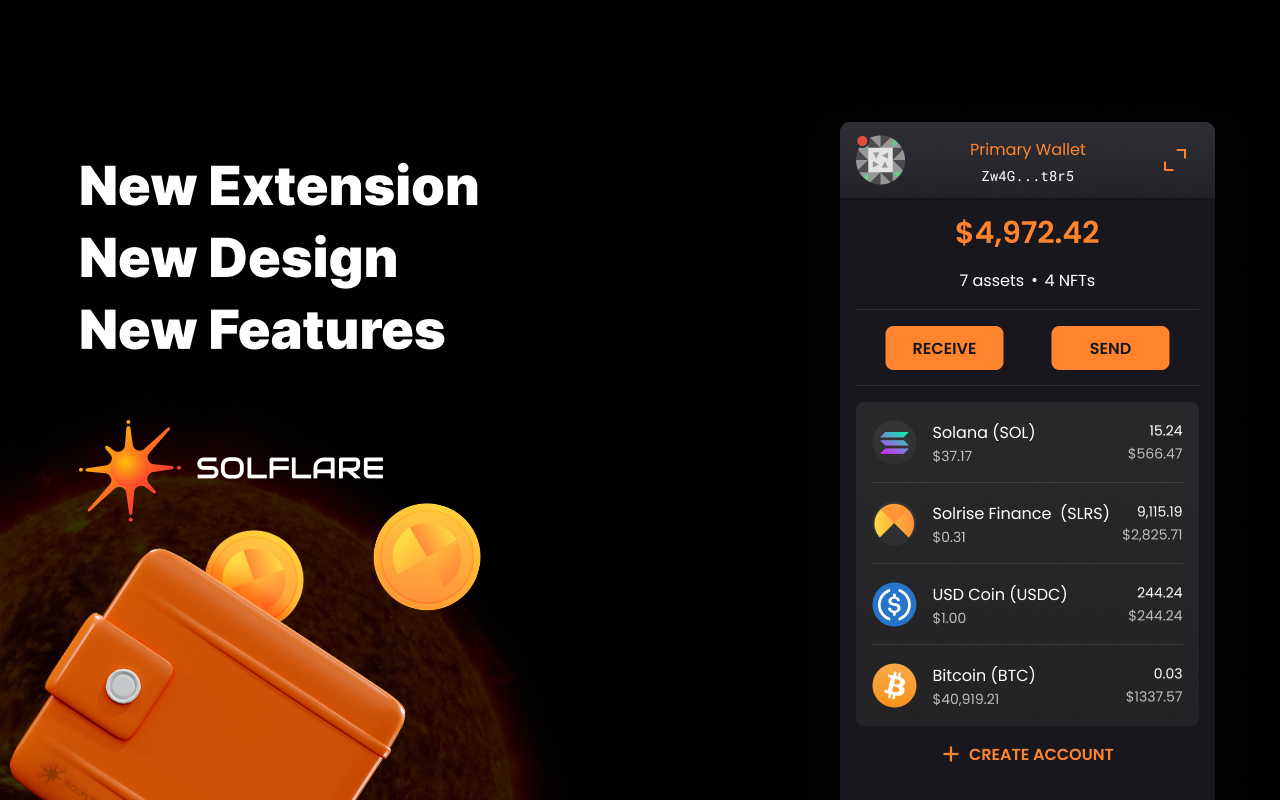
Okay, so check this out—Solflare isn’t just about holding your tokens. It’s designed with a deep understanding of Solana’s architecture, giving users a robust yet intuitive interface. You get real-time NFT management and can stake your SOL or tokens without hopping from app to app. This tight integration is a breath of fresh air, especially for users who crave efficiency.
On one hand, mobile wallets offer convenience, but they often sacrifice functionality. Though actually, combining the Solflare extension with a mobile app setup gives you the best of both worlds. The extension handles complex transactions and NFT interactions, while your mobile app keeps you connected on the go. It’s a workflow I didn’t expect to love so much.
One might wonder, “Isn’t using a browser extension less secure than a mobile app?” Initially, I had that skepticism too. But Solflare’s security protocols are pretty solid. They incorporate hardware wallet support and rigorous encryption. Plus, it’s open source, so the community can audit it. That transparency gave me peace of mind—though I’m still cautious with big stakes.
Now, I’m biased, but from my experience, this combo is hands down the best for serious Solana users. The mobile app alone felt like it was missing very very important features. Meanwhile, the extension fills those gaps perfectly.
Why NFT Management on Solana Still Trips People Up
NFTs are a big deal in the Solana ecosystem, right? But oh man, the way most mobile wallets handle them is clunky. You end up scrolling through endless lists, with no easy way to organize or stake your NFTs. Something felt off about the UX—like it wasn’t built for collectors or active traders.
With Solflare’s extension, you get a dedicated NFT dashboard that’s surprisingly smooth. It shows all your collectibles, metadata, and even lets you stake NFTs directly if the project supports it. This feels like a big leap from the usual token-only wallets.
And wait—there’s more. The extension supports batch transactions, which is a godsend for NFT drops and staking multiple assets at once. Mobile apps just can’t keep up here, which is frustrating if you’re trying to move fast.
But here’s the kicker: pairing the Solflare extension with your mobile wallet means you can start a transaction on one device and finish it on another. That cross-device flexibility is a game changer, especially for those of us who switch between desktop and phone constantly.
Hmm… I’m not 100% sure why more people haven’t caught on to this yet. Maybe it’s the usual fear of browser extensions or just habit. But if you’re serious about your Solana NFTs and staking, it’s worth giving a shot.
Staking SOL and Tokens: A Surprisingly Frustrating Journey
Staking on Solana is supposed to be straightforward, but in reality, many wallets complicate it. They hide fees, have confusing interfaces, or don’t support all staking pools. I remember wasting time figuring out if my stake was active or just pending—ugh.
That’s where the Solflare extension shines. It lays out staking options clearly, shows rewards, and even offers delegation to multiple validators. Plus, it updates you on your earnings and cooldown periods. I mean, isn’t that exactly what we want?
Something else to consider: the extension’s staking integration means fewer transaction errors, reducing the chance of losing funds due to wallet glitches. Mobile apps sometimes struggle with this, especially under network congestion.
On a personal note, I’ve been using this setup during recent network spikes, and it saved me from some close calls. My instinct said, “Don’t trust just any wallet,” and thankfully, Solflare’s extension didn’t disappoint.
It’s not perfect, though. Sometimes the UI feels a bit dense if you’re new to staking, and the learning curve can be steep. But honestly, that’s a trade-off I’m willing to make for the added control and security.
Oh, and by the way, if you’re juggling multiple Solana tokens, the extension’s token management is pretty robust. You can track balances, swap tokens, and monitor portfolio performance without jumping through hoops.
Wrapping My Head Around Mobile + Extension Workflows
Okay, so here’s a little confession: I resisted using browser extensions for a while. I kept thinking mobile apps were the future, and extensions were old school. But the reality is a bit messier.
Using the Solflare extension alongside a mobile app creates a hybrid workflow that’s surprisingly efficient. You get the security and complexity handling of the desktop environment plus the convenience of mobile notifications and quick access.
Initially, I thought this would be a hassle—switching devices, managing multiple interfaces. Actually, wait—let me rephrase that. It’s a hassle if you try to treat them like separate tools. But if you think of the extension as your main control hub and the mobile app as your quick glance tool, it makes sense.
Still, syncing between devices sometimes trips me up. A transaction started on mobile might need confirmation on desktop, and if you forget, things stall. But that’s just part of the learning curve. Once you get used to it, the flow is smooth.
Here’s what bugs me about some mobile-only wallets: they oversimplify. There’s often no way to dive deep into your NFT metadata or staking delegation details. The Solflare extension fills that gap nicely, making it feel more like a professional’s toolkit.
So, if you want a wallet that grows with you—from casual collector to serious staker—the Solflare extension is worth a look. It’s not the flashiest mobile app, but it gets the job done where it counts.
Honestly, I’m still exploring some of its advanced features. But I’ll say this much: having a reliable cross-platform wallet that’s deeply integrated with the Solana ecosystem is a total game changer.
Sorry, the comment form is closed at this time.