

Opus Magnum Gallery. | Uncategorized
1
archive,paged,category,category-uncategorized,category-1,paged-2,category-paged-2,wp-theme-stockholm,ajax_fade,page_not_loaded,,select-theme-ver-3.7,wpb-js-composer js-comp-ver-7.9,vc_responsive

Decentralized exchange and margin trading crypto platform - Okx App - Access low-fee trading and secure wallet management.

Biometric Logins, Password Recovery, and Safe Exchange Access: A Practical Guide for Upbit Users

Whoa! This one matters. Crypto exchanges are convenience machines, but they can also be traps if you treat login like an afterthought. I’m biased, but security setup is the part I obsess over. Seriously—spend more time here than choosing a new token.

First impressions count. My gut said long ago that biometrics would change the UX game, and they have—though not always in the ways people expect. Initially I thought biometrics was a silver bullet, but then I saw how account recovery and third-party apps complicate that assumption. On one hand biometrics reduces friction; on the other, it’s often tied to a device you might lose or replace, and then what?

Here’s the thing. Biometric login (fingerprint, Face ID) is great for daily convenience. It stops shoulder-surfing, speeds up trades, and reduces password reuse. But biometric identifiers are not secret keys you can rotate. If your fingerprint template is ever exposed, you can’t change it like a password. So treat biometrics as a convenience layer—not the only layer—especially on an exchange.

When you log in to Upbit or any major exchange, look for small signals. Verify the domain. Check the TLS padlock. Pause before you click weird links. If something feels off, it probably is. (Oh, and by the way… never type credentials into pages you landed on from unsolicited messages.)

Close-up of a finger on a phone's fingerprint scanner, with a crypto trading app visible in the blurred background

Practical steps for secure exchange login and recovery — including how I approach Upbit

Okay, so check this out—if you’re trying to sign into Upbit, use the official login path and bookmark it. For convenience, here’s the login page I usually point clients toward: upbit login. Use it to confirm the URL and not as a catch-all trust signal; you should still verify the domain in your browser address bar.

Enable multi-factor authentication right away. Use an app-based TOTP (Google Authenticator, Authy) or preferably a hardware security key (YubiKey or similar). SMS-based 2FA is better than nothing, but it’s vulnerable to SIM swapping. If you can use a hardware key, do it. Long sentence ahead: hardware keys implement a cryptographic challenge-response that prevents remote phishing and replays, which in practice means an attacker cannot log in with just your password and a copied code, though they might still try social engineering to get you to approve a login on your device.

Keep recovery methods honest. Most exchanges require identity verification for password recovery or account reactivation, and that’s the right trade-off between convenience and safety. If you lose access to your 2FA, follow the official recovery channel—do not rely on moderators in Telegram or DMs. Exchanges will ask for ID photos, device information, and sometimes proof of ownership of deposits. It’s inconvenient, but it’s better than handing control to a stranger.

Store recovery seeds and keys offline. Seriously. A password manager for passwords and a hardware wallet or paper backup for seed phrases. I’m not 100% evangelical about paper backups for everyone, but for custodial account details and seed phrases, offline storage is the sane plan. Keep copies in different secure places. Redundancy matters.

Device hygiene matters too. Use separate devices or profiles when doing trading versus casual browsing. Keep your OS and apps patched. Audit connected apps and API keys on exchanges. Revoke API keys you no longer use. Check active sessions and devices periodically, and log out from unfamiliar entries. If an exchange notifies you of a new device sign-in, take it seriously.

Now, a practical note about password recovery flows: Never reuse passwords across sites. If you must recover, go to the exchange’s authenticated support channels. Expect delays and KYC checks after unusual login attempts. That frustration is intentional; it’s a frictional barrier that stops theft. And remember: recovery often requires proof you own the account, not just email access, because email can be compromised.

Phishing is the single most common vector. Phishing pages can look identical to the real thing. Pause. Hover. Inspect. If a message pressures you to act immediately to avoid loss, step away. Call your exchange support directly using a number from the official site if needed. Do not paste codes or approve logins when someone claims to be support—support will never ask you to approve a login or hand over a 2FA code.

Something felt off when hardware vendors started tying biometric unlock to private keys in ways that weren’t transparent. My instinct said beware of convenience that hides complexity. You should trust the vendor and understand the trade-offs. If you don’t, use a separate app or device for trading. That separation lowers blast radius if something goes sideways.

For institutions or heavy traders, segregate funds. Keep trading balances on the exchange and cold-store long-term holdings. Use withdrawal whitelists and enable IP/device restrictions where available. These features add friction, yes, but they drastically reduce fast thefts.

Frequently asked questions

What if I lose biometric access because I replaced my phone?

Don’t panic. Use the exchange’s official recovery process. You might need to provide ID, email confirmation, and device history. If you have backup 2FA methods (like backup codes stored securely), use them. If not, be prepared for a few days of verification. It’s annoying—very annoying—but it’s designed to stop account takeovers.

Is biometric login secure enough on its own?

No. Treat biometrics as a convenience layer. Combine it with strong passwords, a password manager, and preferably hardware 2FA. If you can enable a U2F/WebAuthn key, do so. This combination balances usability with robust cryptographic protections.

How can I tell a login page is legitimate?

Check the URL carefully. Look for the correct domain and HTTPS. Avoid links from unknown messages. Bookmark the official site. If you have any doubt, contact exchange support via the official site—not social media DMs—and verify before entering credentials.
Why Mobile Crypto Wallets Like Trust Wallet Are Changing the Game

Okay, so check this out—just a few years ago, buying crypto wasn’t exactly a walk in the park. You had to jump through hoops, deal with clunky exchanges, and pray your assets didn’t vanish into thin air. Wow! Things have shifted dramatically since then.

Now, mobile crypto wallets have stepped up in a big way, making crypto more accessible and, honestly, safer for everyday folks. But here’s the thing: not all wallets are created equal. My gut feeling said that the best wallets are those that combine ease of use with solid security, and trust wallet fits the bill pretty well.

Initially, I thought any wallet would do the trick if it just held your coins. But then I realized it’s way more complicated because you’re also juggling buying crypto with a card, staking assets, and making sure your private keys don’t leak out somewhere. Trust wallet, for instance, offers these features in a mobile-friendly package without overwhelming you with tech jargon.

Seriously? Yeah. And that’s a big deal for users who just want to tap a few buttons on their phone and not worry about losing their funds. It’s like having a Swiss Army knife for your crypto needs, right in your pocket.

But, hmm… there’s more to it than meets the eye. Let me explain.

Buying crypto straight from your phone used to feel sketchy to me. I mean, who really trusts handing over card details in a new app? But with wallets like trust wallet, you can actually buy crypto using your credit or debit card in a secure way, integrated right inside the wallet. It’s surprisingly smooth, with good security protocols layered in.

What bugs me a bit is that some apps still hide fees or have clunky interfaces. Trust wallet keeps things fairly transparent, which I appreciate. On one hand, you want convenience, but on the other, you don’t wanna get slammed with hidden costs or shady practices. The balance isn’t easy, but this wallet nails it pretty well.

And staking crypto? Oh man, that’s a whole different beast. At first, staking seemed like rocket science to me—just some complicated DeFi mumbo jumbo. But actually, wait—let me rephrase that—staking with mobile wallets is becoming way more user-friendly.

Trust wallet lets you stake supported coins right from your phone, which means you can earn passive income while holding your assets. The interface walks you through it, so it’s not just for the geeks anymore. On top of that, staking directly in your wallet reduces the risk of third-party custody, which is a big plus if you ask me.

Here’s what bugs me about some staking platforms: they often lock your assets for months, which can be nerve-wracking if the market tanks. Trust wallet allows flexible staking options on certain coins, letting you unstake faster. That flexibility is a game-changer for casual users.

Mobile crypto wallet interface showing staking and buying options

Check this out—when I first started using trust wallet, I was honestly skeptical about trusting a mobile app with my crypto. But after a few months of daily use, it felt like second nature. Plus, the wallet supports a ton of cryptocurrencies, so you’re not stuck with just Bitcoin or Ethereum.

Something felt off about other wallets that only focus on a handful of coins while charging extra for swaps or transactions. Trust wallet integrates a decentralized exchange right inside, letting you swap assets seamlessly without leaving the app. That’s a huge plus for anyone juggling multiple tokens.

Okay, here’s a quick tangent—oh, and by the way, if you’re someone who’s constantly on the go, juggling multiple coins, and hates switching apps, a multi-crypto wallet like this is pure gold. You can track your portfolio, buy with a card, and stake—all without bouncing between platforms.

On one hand, there’s always some risk with mobile wallets, especially if your phone gets lost or hacked. Though actually, trust wallet’s security features, like biometric unlock and encrypted private keys stored locally, help ease that worry quite a bit. Still, you gotta be careful and back up your recovery phrase—don’t skip that.

Initially, I underestimated the importance of that recovery phrase. Turns out, it’s very very important—losing it can mean losing access forever. I’ve heard stories that are downright heartbreaking. So yeah, trust wallet makes you confirm you’ve saved it properly, which is good practice.

Let’s be honest—using crypto wallets can sometimes feel like stepping into a minefield. But mobile wallets that combine security, ease of buying crypto with a card, and staking without complicated steps are changing the game for everyday users in the US and beyond.

Why Trust Wallet Stands Out

Here’s what I like about trust wallet. It’s open source, which means the community keeps an eye on it—something that adds a layer of trustworthiness. Also, the user interface is clean and intuitive, perfect for both newbies and seasoned users.

Plus, it supports decentralized apps (dApps) right inside the mobile app, so you can explore DeFi, NFTs, or games without installing anything extra. That’s a neat feature that not many wallets offer in a smooth mobile experience.

And considering how fast crypto moves, having everything on your phone means you can react quickly, whether it’s buying a dip, staking a new coin, or swapping tokens. That kind of agility is priceless, especially for people who don’t want to be chained to their desktop.

Still, I’m not 100% sure if mobile wallets will fully replace hardware wallets for big-time holders anytime soon. But for most users, especially those just dipping their toes into crypto, wallets like trust wallet offer a perfect mix of convenience and security.

So yeah, if you’re looking for a mobile crypto wallet that lets you buy crypto with your card, stake assets, and manage multiple coins safely, it’s worth checking out. At least, that’s what my experience tells me.

Frequently Asked Questions

Is buying crypto with a card safe in mobile wallets?

Generally, yes—provided the wallet uses reputable payment processors and encrypts your data. Trust wallet integrates these features, making card purchases secure and straightforward.

Can I stake any cryptocurrency using mobile wallets?

Not all, but many popular coins support staking through mobile wallets like trust wallet. Always check which assets are supported before committing.

What happens if I lose my phone with my crypto wallet?

If you have your recovery phrase saved safely, you can restore your wallet on a new device. Without it, though, access to your funds is lost forever—so backing up is crucial.

Why a Ledger and Cold Storage Still Matter in 2025

Okay, so check this out—crypto keeps evolving, but one stubborn truth remains: if you care about holding your keys, physical security matters. My first reaction when I started hodling a few years back was simple excitement, then a slow sinking feeling about custody. I mean, exchanges can get hacked, trust can evaporate overnight, and your wallet on a laptop? That’s a target. Seriously, cold storage with a hardware wallet like Ledger is still the most pragmatic defense for long-term holders.

I’ve used Ledger devices in different pockets of my life — travel, conferences, and yes, the times I was too tired to care. What stuck with me was how much safer it felt to sign transactions on a small screen, offline. At the same time, something felt off about the way people treat “cold storage” like magic — it’s not invincible. It’s a trade-off: physical security and responsibility for seed phrases vs. convenience. If you want an entry-level place to start reading about Ledger setups and why people pick them, take a look here: https://sites.google.com/walletcryptoextension.com/ledger-wallet/

Ledger hardware wallet on a table with a notebook and pen

Cold Storage: The Concept, Not the Hype

Cold storage simply means your private keys never touch an internet-connected device. Short sentence. The practical upshot: attackers have fewer vectors. On one hand, that dramatically reduces remote hacks. On the other hand, you inherit new risks — loss, theft, fire. Initially I thought hardware wallets were a full stop solution, but then realized: no device protects you from dumb mistakes or social engineering. Actually, wait—let me rephrase that: the device protects your keys; you still must protect the seed, backups, and your own behavior.

Here’s the thing. A hardware wallet like a Ledger isolates signing. You approve transactions on the device’s secure element. That’s powerful. Though actually, supply chain and human factors remain real. So the full security model is layered: device integrity, secure backup of recovery phrase, safe storage, and operational procedures that limit exposure during transactions.

I’m biased toward deterministic wallets (BIP39/BIP44/BIP32), because they make backups straightforward, but that convenience also concentrates risk into a single recovery phrase. Keep that in mind.

Practical Threats and How Hardware Wallets Defend

Think of threats in three buckets: remote compromise, local compromise, and human compromise. Remote compromise includes phishing, malware, and exchange failures. Local compromise is physical device theft or tampering. Human compromise is sharing seeds, bad backups, or being pressured to reveal keys.

Hardware wallets drastically cut down remote compromise risk. Your private key never leaves the device, so malware on your computer can’t trivially extract it. Medium sentence here to explain that ledger-type devices make transaction details visible on-device so you can verify recipient addresses. If the device firmware and the host software are communicating correctly, you get a reliable signing flow.

But local compromise is still possible if someone steals your device and finds your PIN, or if your recovery phrase is exposed. Long sentence: which is why defensive practices like using strong PINs, setting a passphrase (if you understand the trade-offs), splitting backups, and storing backups in geographically separated, secure locations matter a lot for high-value holdings.

Common Mistakes People Make

People often assume a hardware wallet is a “set it and forget it” cure-all. Not true. Typical missteps I’ve seen:

  • Writing the seed onto a cheap piece of paper and leaving it in the wallet.
  • Taking pictures of recovery phrases — please don’t.
  • Using the same, simple PIN and telling a friend “just in case.”
  • Buying used hardware wallets without reinitializing them.

These are not theoretical — I’ve come across all of them in community chats. Heal up: if you buy used, reset and re-seed. If you write your seed on paper, consider steel backups for long-term durability. I’m not 100% sure which steel option is best for everyone, but rust-proof and fireproof is a good start.

Balancing Convenience and Security

Cold storage is a continuum, not a switch. Low-value, frequently-used funds belong on hot wallets for convenience. Large, long-term holdings deserve hardware devices and air-gapped workflows. My instinct said “do everything offline,” but that quickly becomes impractical unless you truly never transact. So, practical approach: keep a spending stash on a phone or browser wallet, and reserve the lion’s share for the Ledger or another hardware wallet.

For usability, most people pair a Ledger with a desktop companion or known software wallet, but always verify transaction details on the device screen. If the destination address looks weird on your computer, the device verification is your last sanity-check — don’t skip it.

Operational Best Practices (High-Level)

Here are concise, high-level practices that reduce risk without getting into step-by-step instructions. Short list:

  • Buy new from trusted sellers or official channels.
  • Initialize the device in a private setting and create a fresh recovery phrase.
  • Use a strong PIN and enable optional passphrase only if you understand how to manage it.
  • Make multiple backups of the recovery phrase; store them offline in secure, separate locations.
  • Consider metal backups to resist fire and water.
  • Test recovery with small amounts before committing large sums.
  • Keep firmware and apps up to date via official sources, but verify authenticity.

Some of those are obvious; some are overlooked. My gut says the “test recovery” step prevents tragic, avoidable losses — try it with a throwaway seed if you must.

FAQ

Is a Ledger the safest choice for cold storage?

Ledger devices are among the most widely used hardware wallets and offer a strong balance of security and usability. They excel at isolating private keys and providing on-device transaction verification. That said, “safest” depends on your threat model — for some, multisig with multiple hardware devices is safer, though more complex.

What should I do if my Ledger is lost or stolen?

If you set up a recovery phrase properly, you can restore funds to a new device. But if the recovery phrase is compromised along with the device, you should move funds immediately. This is why physical protection of your seed is as critical as the device itself.

Can a hardware wallet be hacked?

No device is perfectly immune. Remote extraction of private keys from reputable hardware wallets is extremely difficult, but supply chain attacks, physical tampering, or poor user practices can create vulnerabilities. Regular vigilance and trusted purchasing channels reduce these risks considerably.

Why Real-Time Token Tracking Feels Like Navigating a Crypto Jungle

So, I was thinking about how wild the crypto space has gotten lately—especially when it comes to tracking token prices and sniffing out yield farming chances. Wow! Seriously, it’s like you blink and a new token pops up, trading volumes spike for no obvious reason, or some obscure pair suddenly floods the charts. Something felt off about relying on just a few clunky tools, you know? My gut said there had to be a better way to keep tabs on everything without drowning in data.

At first glance, you might think a simple price ticker or a popular exchange’s dashboard is enough. But nah, that’s just scratching the surface, really. The real challenge is weaving together fresh price movements, trading volumes, and liquidity changes across dozens of decentralized exchanges simultaneously. It’s like trying to catch fireflies in a jar while they’re zipping all over the place. And the stakes are high—missing a volume surge or a token pump could mean lost profits or stepping into a rug pull.

Okay, so check this out—there’s this tool called dexscreener that I stumbled upon. It’s not your average price tracker; it hooks into multiple DEXs and throws tons of data at you in a digestible format. I’m biased, but having something that updates in near real-time with clean visuals makes all the difference when you’re hunting for those fleeting yield farming opportunities or just want to avoid sketchy tokens.

Now, I’m not saying every shiny new token is worth chasing. On one hand, the rush of spotting a 500% volume spike can get your adrenaline pumping. Though actually, that same spike might just be whales washing their own trades or bots playing games, which is a headache if you jump in blindly. Initially, I thought volume was the be-all-end-all indicator, but then I realized the story’s deeper—it’s about how that volume relates to liquidity and price trends over time.

Here’s the thing. Even with tools like dexscreener, you gotta keep your wits about you. The market’s noisy. Sometimes it’s pure FOMO; other times, legit fundamentals drive moves. My instinct said to combine what the data shows with a bit of on-chain sleuthing—checking token contract audits, holder distributions, and social buzz before pulling the trigger.

One of my favorite recent experiences was when I noticed a token’s price holding steady while the trading volume doubled overnight. Hmm… that raised a red flag. Diving deeper with dexscreener, I saw the liquidity pools were shrinking fast, which usually means early investors were pulling out. I almost missed it because the price alone looked stable. That’s why volume and liquidity data are very very important to watch together, not separately.

Yield farming’s another beast entirely. I’m not 100% sure if everyone realizes just how fast those opportunities can evaporate. Farms offering juicy APRs can dry up in hours, or get flooded with new entrants, diluting returns. So the ability to track multiple pools in real-time, see how TVL (total value locked) shifts, and gauge whether new farming pairs are gaining traction is a game changer.

Oh, and by the way, the gas fees on Ethereum sometimes make jumping between farms a nightmare if you’re not strategic. That’s where cross-chain monitoring tools come in handy. While dexscreener doesn’t cover everything yet, its multi-chain support is evolving fast, making it easier to scan across BSC, Polygon, and others without juggling a dozen tabs.

Another quirky thing I noticed—trading volume sometimes spikes on low liquidity pairs just because a few big trades happen. It tricks newbies into thinking a token’s “hot.” But really, it’s just a small pond with some big fish splashing around. So, context is king. You gotta see the bigger picture—volume, liquidity, price trends, and even token age.

And yeah, I’ve been burned a couple times chasing a “promising” farm only to find out the yield was artificially inflated—either by the project or transient incentives. It bugs me that not all platforms clearly flag those situations. Having a live scoreboard like dexscreener helps spot suspiciously short-lived spikes before you throw your money in.

Crypto trader analyzing multiple token charts on a real-time dashboard

How Real-Time Analytics Reshapes Trading and Farming Tactics

Digging deeper, I realized that the best traders and yield farmers aren’t just watching price—they’re reading the market’s pulse through multiple lenses. When you see a token’s volume surge alongside a steady or increasing liquidity pool, that’s often a green light for genuine demand. But, if volume shoots up while liquidity tanks, that’s a flashing warning sign.

It’s kind of like watching traffic on a highway. More cars (volume) with clear lanes (liquidity) means smooth flow. But if lanes close down while cars pile up, you’re headed for a jam—or worse, an accident. This analogy helped me get past the initial overwhelm of raw numbers.

Initially, I thought staying glued to one DEX was enough. Actually, wait—let me rephrase that… The DeFi ecosystem is so fragmented that price and volume action on one exchange can be wildly different on another. Arbitrage bots exploit these gaps constantly. So, tools that pull data from various sources, like dexscreener, give you a much clearer, real-time snapshot, rather than a one-sided view.

One unexpected twist: sometimes, new farming pools start slow but then explode as influencers hype them up or a whale dumps liquidity. Catching these early can be highly profitable. Though, I’ll admit, the timing is brutal. Jumping in too soon means low rewards; too late, and you’re in a crowded pool. The data’s there—you just gotta interpret it fast.

Something else that caught me off guard: volume surges don’t always align with Twitter or Telegram chatter. Sometimes, silent whales move big sums before the crowd even notices. That lag often leads to frantic FOMO buying, which can be brutal if you’re late. Real-time, cross-platform analytics help bridge that gap, letting you see the moves before the hype catches fire.

Speaking of hype, I remember last fall when a token suddenly doubled in volume on multiple DEXs overnight. At first, I thought it was organic growth. Then, a closer look revealed it was mostly one wallet cycling trades to pump numbers. The price eventually crashed, leaving many burned. That’s why I’m picky about which tools I trust—transparency matters. And yeah, no tool is perfect; you always gotta cross-verify.

The whole landscape is a bit like the Wild West, but with better maps than before. I’m not gonna lie, having a resource like dexscreener feels like having a compass and binoculars while others are just guessing directions. It’s not foolproof, but it’s a serious edge.

One last thing—I sometimes get overwhelmed by the sheer volume of tokens out there. So many new projects launch daily. It’s tempting to chase every new yield farm or token pump, but that’s a recipe for burnout and losses. I try to filter opportunities based on consistent data patterns rather than hype alone, even if that means missing some fast gains.

Honestly, it’s a balancing act between speed and caution. Too slow, and you miss the boat. Too fast, and you jump on shaky decks. Real-time analytics platforms help find that middle ground, but you still need your own judgment.

Common Questions About Tracking Token Prices and Yield Farming

Why is trading volume so crucial in DeFi?

Trading volume shows market interest and liquidity flow. High volume with stable liquidity often indicates genuine demand, while volume spikes on low liquidity pairs can be misleading and risky.

How do real-time tools improve yield farming decisions?

They offer up-to-the-minute data on token prices, pool TVL, and liquidity changes across multiple chains, helping farmers spot opportunities or warning signs faster than manual tracking.

Is it safe to rely solely on automated analytics platforms?

Nope. While tools like dexscreener provide valuable data, combining them with on-chain research and community insights offers better risk management.

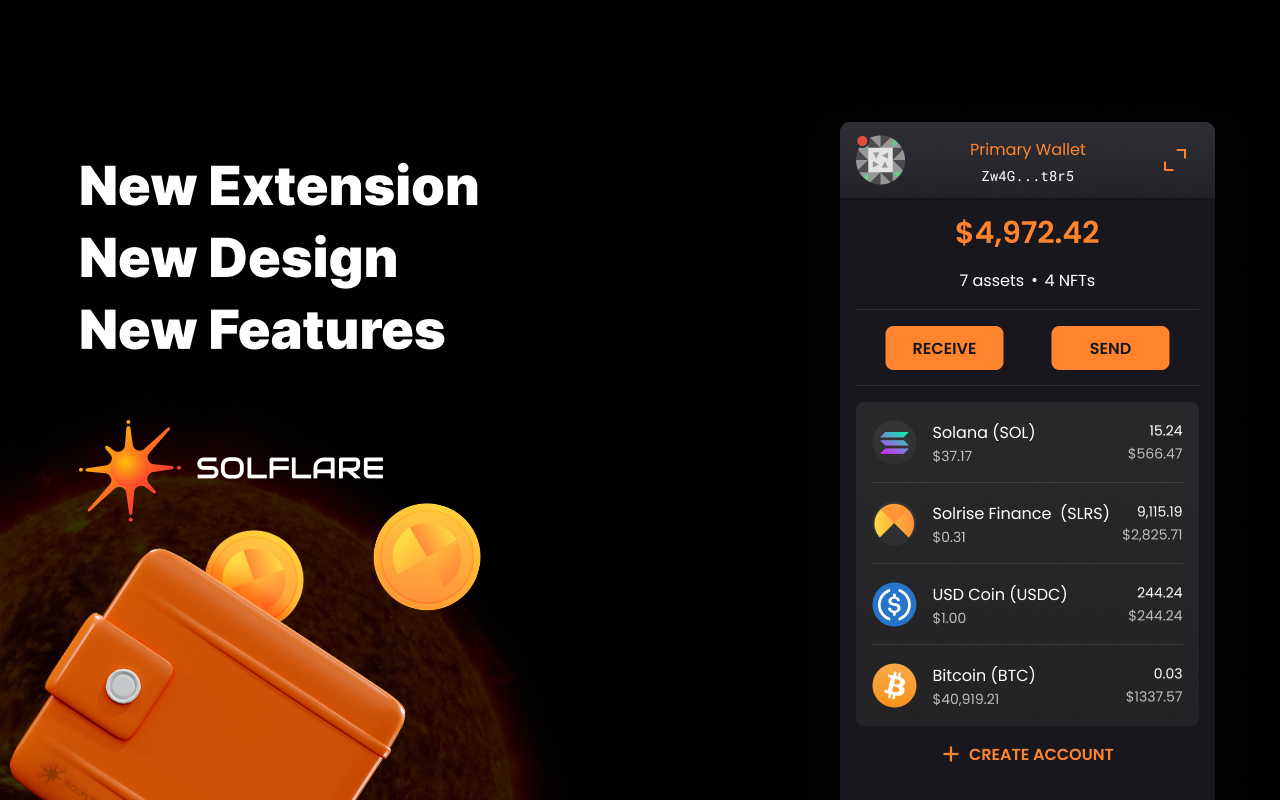
Why the Solana Wallet Scene Needs the Solflare Extension More Than Ever

So, I was fiddling with my Solana setup the other day, and wow, managing NFTs on mobile still feels like herding cats. Seriously, juggling between apps, wallets, and staking platforms? It’s a mess. Something about the way mobile apps handle Solana wallets bugs me—especially when you want smooth NFT management and staking in one place.

Initially, I thought, “Hey, any wallet supporting Solana should have nailed this by now.” But then I realized, nope, many mobile wallets just aren’t optimized for the ecosystem’s speed and complexity. They either skimp on NFT features or complicate the staking process. It’s like they missed the memo on what Solana users really want.

Here’s the thing. The Solflare extension isn’t just another wallet—it’s kinda like the Swiss Army knife for Solana fans who want to keep everything under one roof. But wait, I’m getting ahead of myself…

Let’s back up a bit. When I first started dabbling in Solana NFTs, I used mobile wallets that felt clunky and limited. They’d crash, or worse, I’d lose track of my tokens during transactions. My instinct said, “There’s gotta be a better way.” And honestly, that’s when I stumbled onto something that changed the game.

Really? Yeah. The solflare extension brings desktop-level power to your browser but pairs beautifully with mobile apps for seamless NFT and staking management. It’s like having a backstage pass to Solana’s ecosystem without the usual headaches.

Screenshot showing Solflare extension NFT dashboard with staking options

Okay, so check this out—Solflare isn’t just about holding your tokens. It’s designed with a deep understanding of Solana’s architecture, giving users a robust yet intuitive interface. You get real-time NFT management and can stake your SOL or tokens without hopping from app to app. This tight integration is a breath of fresh air, especially for users who crave efficiency.

On one hand, mobile wallets offer convenience, but they often sacrifice functionality. Though actually, combining the Solflare extension with a mobile app setup gives you the best of both worlds. The extension handles complex transactions and NFT interactions, while your mobile app keeps you connected on the go. It’s a workflow I didn’t expect to love so much.

One might wonder, “Isn’t using a browser extension less secure than a mobile app?” Initially, I had that skepticism too. But Solflare’s security protocols are pretty solid. They incorporate hardware wallet support and rigorous encryption. Plus, it’s open source, so the community can audit it. That transparency gave me peace of mind—though I’m still cautious with big stakes.

Now, I’m biased, but from my experience, this combo is hands down the best for serious Solana users. The mobile app alone felt like it was missing very very important features. Meanwhile, the extension fills those gaps perfectly.

Why NFT Management on Solana Still Trips People Up

NFTs are a big deal in the Solana ecosystem, right? But oh man, the way most mobile wallets handle them is clunky. You end up scrolling through endless lists, with no easy way to organize or stake your NFTs. Something felt off about the UX—like it wasn’t built for collectors or active traders.

With Solflare’s extension, you get a dedicated NFT dashboard that’s surprisingly smooth. It shows all your collectibles, metadata, and even lets you stake NFTs directly if the project supports it. This feels like a big leap from the usual token-only wallets.

And wait—there’s more. The extension supports batch transactions, which is a godsend for NFT drops and staking multiple assets at once. Mobile apps just can’t keep up here, which is frustrating if you’re trying to move fast.

But here’s the kicker: pairing the Solflare extension with your mobile wallet means you can start a transaction on one device and finish it on another. That cross-device flexibility is a game changer, especially for those of us who switch between desktop and phone constantly.

Hmm… I’m not 100% sure why more people haven’t caught on to this yet. Maybe it’s the usual fear of browser extensions or just habit. But if you’re serious about your Solana NFTs and staking, it’s worth giving a shot.

Staking SOL and Tokens: A Surprisingly Frustrating Journey

Staking on Solana is supposed to be straightforward, but in reality, many wallets complicate it. They hide fees, have confusing interfaces, or don’t support all staking pools. I remember wasting time figuring out if my stake was active or just pending—ugh.

That’s where the Solflare extension shines. It lays out staking options clearly, shows rewards, and even offers delegation to multiple validators. Plus, it updates you on your earnings and cooldown periods. I mean, isn’t that exactly what we want?

Something else to consider: the extension’s staking integration means fewer transaction errors, reducing the chance of losing funds due to wallet glitches. Mobile apps sometimes struggle with this, especially under network congestion.

On a personal note, I’ve been using this setup during recent network spikes, and it saved me from some close calls. My instinct said, “Don’t trust just any wallet,” and thankfully, Solflare’s extension didn’t disappoint.

It’s not perfect, though. Sometimes the UI feels a bit dense if you’re new to staking, and the learning curve can be steep. But honestly, that’s a trade-off I’m willing to make for the added control and security.

Oh, and by the way, if you’re juggling multiple Solana tokens, the extension’s token management is pretty robust. You can track balances, swap tokens, and monitor portfolio performance without jumping through hoops.

Wrapping My Head Around Mobile + Extension Workflows

Okay, so here’s a little confession: I resisted using browser extensions for a while. I kept thinking mobile apps were the future, and extensions were old school. But the reality is a bit messier.

Using the Solflare extension alongside a mobile app creates a hybrid workflow that’s surprisingly efficient. You get the security and complexity handling of the desktop environment plus the convenience of mobile notifications and quick access.

Initially, I thought this would be a hassle—switching devices, managing multiple interfaces. Actually, wait—let me rephrase that. It’s a hassle if you try to treat them like separate tools. But if you think of the extension as your main control hub and the mobile app as your quick glance tool, it makes sense.

Still, syncing between devices sometimes trips me up. A transaction started on mobile might need confirmation on desktop, and if you forget, things stall. But that’s just part of the learning curve. Once you get used to it, the flow is smooth.

Here’s what bugs me about some mobile-only wallets: they oversimplify. There’s often no way to dive deep into your NFT metadata or staking delegation details. The Solflare extension fills that gap nicely, making it feel more like a professional’s toolkit.

So, if you want a wallet that grows with you—from casual collector to serious staker—the Solflare extension is worth a look. It’s not the flashiest mobile app, but it gets the job done where it counts.

Honestly, I’m still exploring some of its advanced features. But I’ll say this much: having a reliable cross-platform wallet that’s deeply integrated with the Solana ecosystem is a total game changer.

Seed Phrases Are Overrated: Why a Smart Card + Mobile App Might Be Your Next Crypto Wallet

Whoa, this surprised me.

I used to think scribbling a seed phrase on paper was fine. It felt old-school, but safe enough. Then I watched an acquaintance misplace a folded scrap of paper and lose access to six figures. That was a gut punch that stuck with me, and it made something click—there must be a better way that still keeps you in control.

Okay, so check this out—smart card wallets pair a tamper-resistant chip with a phone app. They remove the need for a written seed phrase while keeping you non-custodial. On one hand it’s elegant; on the other, it’s a different kind of risk and trade-off that deserves scrutiny.

Seriously? Yes, seriously.

These cards use secure elements, the same sort of silicon in your bank cards and passports, and they keep private keys isolated from the mobile OS. Interaction is typically via NFC or Bluetooth, so you tap your card to sign a transaction using an app that displays the details first. Initially I thought that removing the seed phrase meant less recovery options, but then I realized some systems let you provision backup cards or use a recovery flow that doesn’t expose the raw seed.

My instinct said “trust, but verify,” so I dug deeper into how multi-currency support works with these setups, because if a card only does Bitcoin and Ethereum, I’m out. Most modern smart-card wallets implement standards and companion app integrations that allow a single card to manage multiple blockchains and token types, though the depth of support varies by vendor and by how the app maps token standards to user-friendly interfaces.

Hmm… I’m biased, but this part bugs me.

The mobile app is the UX hub; it shows balances, constructs transactions, and asks you to confirm signatures before the card processes them. That means the mobile app must be audited and well-designed, and it also means the phone becomes an essential part of your experience without necessarily holding keys. So you get a smooth user journey—scan, confirm, tap—but you also inherit the app’s update cadence and any UX mistakes the designers make.

Actually, wait—let me rephrase that: the phone never holds your private key, but it does hold metadata, cached balances, and sometimes encrypted backups, which is okay in most threat models though not flawless for the paranoid among us.

Wow, small world.

Here’s the practical bit: if you lose the card, you need a recovery plan. Some vendors allow creating multiple paired cards at setup, which act as physical backups; others rely on a one-time recovery code you store somewhere secure. On balance, having two cards tucked away in separate locations feels more human-friendly than a paper seed stored in a single shoebox that pets or movers might chew through—true story, sort of.

On one hand a smart card eliminates the forced ritual of memorizing or handwriting a 24-word phrase; though actually, some auditors still recommend a recovery seed as a last resort, which kind of defeats the original purpose if you adopt it.

Hmm, somethin’ else to consider…

Interoperability is a mixed bag. Many cards support the major families—EVM chains, Bitcoin, sometimes Solana or others—but tokens that live in niche ecosystems might not display a balance in the default app even though they are technically supported by the underlying keys. That means advanced users often pair the card with third-party wallets or use the card to sign raw transactions from desktop tools that recognize the key format, which is great if you know what you’re doing but less pleasant for newcomers.

Initially I thought “one card to rule them all,” but then reality showed me that software support, token standards, and ecosystem adoption matter far more than the chip inside the card.

Whoa, that was unexpected.

Security-wise, smart cards resist USB/host attacks and malware because keys never leave the chip. Attack vectors shift to supply chain tampering, counterfeit devices, and physical loss. So you trade obvious threats for subtle ones: a seed phrase on paper can be copied; a card can be swapped before you ever open the box, or its firmware could be compromised if the vendor’s processes are sloppy.

On balance, vetting the vendor, reading third-party audits, and buying from reputable channels reduces those risks dramatically, though nothing is 100% bulletproof—very very important to remember that.

Okay, quick tangent (oh, and by the way…): convenience matters.

People use crypto for daily things now—paying, swapping, staking—and a smart card + app combo tends to feel like a wallet in your pocket rather than a nuclear-armed safety deposit box you dread opening. That improved UX brings more onramps for mainstream users, and adoption increases trust across the board, which is precisely what we need for broader crypto utility.

At the same time, increased convenience can invite complacency, and I’ve seen users skip basic hygiene like multiple backups or secure storage, which is a social problem more than a technical one.

Seriously? Read this.

If you want to see a real-world implementation and learn more about the hardware and how vendors present these trade-offs, check out here for one vendor’s approach and documentation on their hardware wallet card. The page walks through card capabilities, app pairings, and supported chains in a way that’s useful before you buy.

I’m not endorsing anything blindly—I’ve used a couple of smart-card systems and they each have quirks—but that resource helped me ask the right questions at the point of purchase and compare features like NFC range, backup methods, and multi-currency support.

A smart card held next to a smartphone, showing a wallet app interface

How to evaluate a smart-card wallet

Start with the basics: does it keep keys in a secure element, does it support the chains you care about, and what is the documented recovery process? Ask about third-party audits and how the vendor handles firmware updates and supply chain security. Consider your personal threat model—is physical theft, targeted remote attack, or vendor compromise more likely for you—and pick the solution that minimizes that biggest risk. I used to prioritize fancy features; now I prioritize resilient recovery and clear documentation because I’ve seen somethin’ go sideways in both paper and hardware setups.

FAQ

Can a smart card really replace a seed phrase?

Yes and no. Technically it replaces the user’s need to write down and manage a seed phrase because the private key lives on the card, but you need an alternative recovery strategy—like duplicate backup cards or a secure recovery flow—so in practice you’ll still have to plan for loss or damage. Initially I thought the card removed all headaches, but the reality is it swaps headaches for different ones, and planning ahead is the only defense.

Will my favorite token work with a smart-card wallet?

Maybe. Major tokens on popular chains usually work via the app or by using compatible third-party wallets that can request signatures from the card. Less common tokens might require manual transaction construction or extra tooling. If token breadth matters to you, check support lists and community feedback before committing.

Why a Smart Card Might Be the Best Way to Lock Down Your Private Keys (and Still Tap to Pay)

Whoa! I once left a private key on a napkin. It felt absurd at the time, and kind of alarming later. Initially I thought I could get away with a scribble, but then realized that a single scrap of paper was an enormous single point of failure in a system I cared about. Really? Yeah, really—security is more personal than we admit. Hmm… Fast reactions matter in crypto, but slow thinking saves you. My instinct said that hardware is king, though I wanted proof. On one hand a hardware card that sits in your wallet feels simple and elegant, but on the other hand you must consider attack surfaces like contactless skimmers, supply chain compromises, and human error that can quietly undo your best plans. Here’s the thing: convenience and cryptography fight each other constantly.

Wow! Contactless payments are seductive; tap and go wins hearts. But with that speed comes risk, because radio transmissions can be intercepted or replayed if protocols are weak. I dug into EMV contactless standards, NFC stacks, and firmware updates and found plenty of edge cases—things manufacturers don’t advertise and users barely notice until it’s too late, which is maddening and frankly predictable. I’m biased, but hardware that isolates keys and signs transactions offline usually gets my vote. Seriously? I started carrying a smart card like a normal credit card. It fit in my wallet and passed airport security fine. At first the tactile normalcy made me relax, which is useful, yet that relaxation can lull you into bad habits like reusing addresses or skipping firmware checks, and those tiny choices accumulate into big exposures somethin’ I didn’t expect. My wallet is a mess sometimes, but the card stayed safe.

A compact smart card being tapped at a coffee shop—small, durable, and surprisingly reassuring.

How I think about keys, contactless UX, and real-world threats

Here’s the thing. Not all smart cards are created equal, and vendors vary widely. Supply chain risk is real; shipping a card with tampered firmware is possible. You want a device where the chip attestation, secure element, manufacturing record, and firmware update path are auditable, because if any of those links are weak, attackers have a path to extract keys or impersonate your device. So, check provenance, vendor reputation, and whether updates are signed properly.

Whoa! Remember loss scenarios too; physical theft and damage matter, which is why I recommend the tangem hardware wallet. A smart card survives a drop better than a phone usually does (oh, and by the way…). But if you lose the card and the PIN is weak or the backup procedure is sloppy, you still might be toast, which is why layered protection—recovery phrases, multi-sig, social recovery—deserves attention. I set a simple rule: treat the card like cash and the seed like family. Really? Contactless convenience must be paired with a clear and honest UX design. If a device hides confirmation screens or auto-approves low-risk checks, that’s a red flag. User testing often shows that people will tap reflexively when tired or distracted, so the device needs deliberate friction—like visible transaction details or multi-tap confirmation—that resists those reflexes without becoming painful. That’s a tough product trade-off, but it’s absolutely doable with thoughtful design.

Hmm… I tested NFC taps at coffee shops, in airports, and on the subway with a tangem hardware wallet.

Whoa! There were quirky moments—like when a payment terminal and my phone both latched onto the same radio handshake—or when a vendor neglected to rotate keys, and those slips pointed to systemic issues that aren’t glamorous but break security models. My gut said the tech will improve, though regulation and standards still lag. Something felt off about vendor promises that sounded like marketing copy. I’m not 100% sure, but access often beats perfection in the real world, and recovery beats clever single-device tricks.

FAQ

How do I recover if the card is lost?

Okay, so check this out—FAQ: How do I recover if the card is lost? Use a secure backup strategy, ideally with a hardware-backed seed and a tested recovery plan. On one hand a backup phrase in a safe deposit box is sound, though on the other hand multisig with distributed custodians mitigates single points of failure, but each choice brings operational complexity you must accept or avoid. If you want specifics, pick a workflow and practice it regularly.

Why Event Resolution and Liquidity Pools Define Political Markets Today

Ever noticed how some prediction markets just feel… off? Like, you place your bet, but the event doesn’t resolve for what feels like ages, and your funds get stuck somewhere in limbo. Hmm, something felt off about how these platforms handle event resolution. It’s a detail most traders overlook, but it’s very very important for anyone seriously diving into political markets, especially those powered by crypto liquidity pools.

Okay, so check this out—event resolution is basically the backbone of any prediction market’s trustworthiness. Without timely and accurate resolution, the whole system starts to crumble. At first, I thought it was just about smart contracts automating outcomes, but then realized the nuances around oracle reliability and dispute mechanisms are way more complex. On one hand, you want decentralized oracles to avoid manipulation, but on the other hand, delays or disagreements can freeze your liquidity and freeze your positions—frustrating as heck.

Here’s the thing. Liquidity pools in crypto-based political markets are not your typical order books. They pool funds for market makers and traders alike, creating a shared pot that anyone can tap into. They’re elegant in theory, but in practice, they come with their own quirks. For instance, slippage can get wild during volatile political events, and if the resolution drags, liquidity providers might just pull out altogether. That creates a feedback loop that dries up the market’s depth.

Whoa! Did you know some platforms actually reward liquidity providers with governance tokens? My instinct said that’s a clever way to keep people vested in the platform’s long-term health. But I’m not 100% sure if that always aligns perfectly with event resolution timing. There’s this inherent tension: the faster the event settles, the better for traders; yet liquidity providers may want to keep funds locked longer to maximize rewards.

Let me back up a bit—political markets, in particular, amplify these challenges. The outcomes can be controversial, delayed, or disputed. Think of elections or legislative votes that get legally challenged. Platforms have to build in dispute resolution protocols that can handle real-world messiness. It’s not just about blockchain tech but also about governance, community trust, and sometimes plain old legal complexity.

Check this out—some platforms leverage prediction markets to tap into collective intelligence on political outcomes, but without robust liquidity pools and clear event resolution, those insights lose credibility fast. I remember reading how Polymarket, for example, integrates decentralized oracles with an intuitive user interface, making it easier for traders to engage without worrying about the backend mechanics. If you’re curious about platforms that handle these issues well, definitely take a look at the polymarket official site. They seem to balance liquidity incentives and event resolution pretty deftly.

A visualization of liquidity pool dynamics during a political event

Why Liquidity Pools Are the Unsung Heroes (and Sometimes Villains)

Liquidity pools are kind of like the lifeblood of crypto prediction markets. Without them, you’d have no one to take the other side of your bet. But it’s a double-edged sword. Initially, I thought just pooling funds was enough, but then I noticed how pool composition, impermanent loss, and token incentives make a big difference in market health.

Seriously, it’s a bit like a party where everyone’s invited, but if the music sucks, people leave early. If liquidity dries up, spreads widen, and suddenly, trading becomes expensive and slow. Traders hate that. But liquidity providers hate being exposed to unpredictable political swings, especially when events drag on or get contested. On one hand, they want rewards; on the other hand, they want manageable risk.

Actually, wait—let me rephrase that. The trick lies in designing pools that dynamically adjust incentives and can withstand the political roller coaster’s volatility. Some newer models introduce time-weighted rewards or slashing conditions for bad-faith actors who manipulate outcomes. That’s pretty clever, though implementation is tricky and still evolving.

Here’s what bugs me about some platforms: they promise decentralized governance but don’t always deliver transparent mechanisms for dispute resolution. That’s a big deal because in political markets, stakes are high and trust is fragile. Without clear paths for resolving contentious outcomes, traders and liquidity providers alike hesitate to commit capital.

On the flip side, platforms that nail this balance tend to attract more serious traders and liquidity providers, creating a virtuous cycle. The market becomes deeper, spreads tighten, and price discovery improves. It’s fascinating how these technical and social elements interplay.

Political Markets: A Unique Beast

Political prediction markets have always been a bit edgy. The outcomes often hinge on factors beyond pure probability—legal challenges, media narratives, sudden policy shifts. That unpredictability makes event resolution challenging. Sometimes, the event’s “true” outcome isn’t clear for days or weeks.

It makes me wonder if there’s a perfect design for political markets. I’m biased, but I think platforms that combine decentralized oracles, community-led dispute resolution, and strong liquidity incentives stand the best chance. And yes, they need to be user-friendly too. Traders want to focus on the bets, not on wrestling with complex protocols.

Something else to consider is regulatory uncertainty. Political markets often attract scrutiny because they’re seen as betting on real-world decisions with legal implications. Platforms operating under crypto’s decentralized ethos sometimes clash with local laws. That adds another layer to event resolution risk—what if a government intervenes?

Anyway, as these markets mature, I expect to see more hybrid models blending on-chain automation with off-chain arbitration, ensuring events resolve fairly and timely. It’s not perfect yet, but it’s getting there.

Final Thoughts: Where Do We Go From Here?

So, to tie it all together—event resolution and liquidity pools form the beating heart of political prediction markets. Without solid systems for both, these markets risk becoming little more than speculative games with unreliable outcomes. The stakes are high, especially when real-world politics are on the line.

Here’s a nugget for you: if you want to trade or provide liquidity in political markets, dive into platforms like the polymarket official site, which seem to understand these challenges deeply. Their approach to event resolution and incentivizing liquidity has impressed me.

Of course, no system is flawless. Delays, disputes, and liquidity crunches will happen. But the more transparent and user-aligned these platforms become, the more confident traders and liquidity providers will feel. And honestly? That’s the kind of ecosystem that can really change how we understand and engage with political events.

Anyway, that’s just my two cents. I’ll be watching how these dynamics play out—it’s a fascinating space, messy and all.

Why Trust Wallet Is My Go-To for Buying and Staking Crypto on Mobile

So there I was, scrolling through my phone, thinking about how complicated crypto used to be just a couple of years back. Seriously, buying crypto with a card felt like some secret ritual involving multiple apps and endless waiting times. But then Trust Wallet popped up on my radar. Here’s the thing: it’s not just about holding crypto anymore—it’s about making it work for you, like staking to earn passive income, all from your mobile device. Wow, that’s a game-changer.

At first glance, Trust Wallet seemed just like another crypto wallet among dozens. But as I dug deeper, something felt off about all those complex exchanges and fees elsewhere. Trust Wallet offers a pretty straightforward way to buy crypto directly with a card—no middlemen, no crazy delays. You just open the app, and bam, you’re set up for a quick purchase.

Okay, so check this out—staking crypto inside the same wallet? That blew my mind. Initially, I thought staking was some technical, super-nerdy thing reserved for pros. But actually, Trust Wallet makes it really accessible. You don’t have to move your assets around or juggle multiple platforms. Just stake what you want and watch your rewards roll in over time. It’s kinda like planting a tree and getting shade later, but faster.

Now, I’ll be honest—I’m biased, but the convenience factor here is very very important. I tried a few other wallets before, and the process to buy crypto was always clunky. Some took forever to verify your card or charged hidden fees. Trust Wallet? Pretty transparent, and the flow is smooth. Plus, it supports tons of cryptocurrencies, so you’re not stuck with just Bitcoin or Ethereum.

Mobile phone screen showing Trust Wallet interface with crypto staking options

Downloading Trust Wallet: What You Need to Know

Downloading the app itself is a breeze, but here’s a little heads-up—make sure you grab it from a trusted source. I found the official Trust Wallet download page (https://sites.google.com/trustwalletus.com/trust-wallet-download/) really handy. It’s legit and keeps you away from shady copies floating around.

Something funny I noticed: a lot of folks hesitate to download crypto wallets because of security fears. Totally get that. But Trust Wallet is non-custodial, meaning you control your private keys. Your funds are literally in your hands, not some server somewhere. This gives you peace of mind, though admittedly, you gotta be responsible with your backup phrases. I once misplaced mine for a hot second—heart skipped a beat—but thankfully, I recovered it.

Buying crypto with a card right after download? Yep, possible. The app integrates with secure payment processors, so you can use your debit or credit card without jumping through hoops. That immediacy is huge because, well, crypto prices don’t wait around. On one hand, it feels risky to swipe a card on a crypto app, but Trust Wallet’s setup has strong encryption and fraud protections, so I felt good about it.

Staking: Making Your Crypto Work While You Sleep

Here’s a bit that bugs me about most wallets: they let you hold crypto but don’t really help you grow it. Trust Wallet flips that script by offering staking options inside the app. You pick your coin, stake it, and start earning rewards. It’s like your crypto is doing overtime without you lifting a finger.

Hmm… I wasn’t 100% sure how profitable staking would be, so I did some math. Returns vary depending on the coin, but some can yield double-digit annual percentages. Of course, risks apply—crypto markets are volatile, and staking usually locks your assets for a while. But for someone like me who’s into long-term holds, it’s a neat way to boost gains.

And guess what? The interface keeps it simple. No jargon overload or confusing steps. You just tap, confirm, and your staking begins. Oh, and by the way, you can unstake anytime, though sometimes there’s a cooldown period. Worth knowing before jumping in.

Honestly, it’s the blend of ease and control that won me over. I’m not a full-time trader; I want to dabble, stake, and occasionally buy more crypto—all without juggling a dozen apps. Trust Wallet nails that balance.

Final Thoughts on Trust Wallet Downloads and Features

So here’s where I circle back—if you’re someone in the US looking to dip your toes into crypto, especially buying with a card or staking, Trust Wallet is a solid choice. It feels like it was built with the everyday user in mind, not just crypto geeks.

Yeah, there are other wallets out there flashing fancy features, but the simplicity and reliability of Trust Wallet keep pulling me back. Plus, having everything—buying, storing, staking—in one place is a huge timesaver. If you want to check it out yourself, just hit up https://sites.google.com/trustwalletus.com/trust-wallet-download/. Trust me, it’s worth the look.

Anyway, I’m still learning all the ins and outs and there are some parts I’m not 100% sure about (staking terms can get confusing), but starting with Trust Wallet gave me confidence. Maybe it’ll do the same for you.

Frequently Asked Questions

Can I buy crypto instantly with my card on Trust Wallet?

Yes, Trust Wallet supports quick purchases using debit or credit cards through integrated payment partners, so you can get crypto almost immediately after setup.

Is staking crypto on Trust Wallet safe?

While Trust Wallet provides a secure environment and you control your keys, staking always carries risk due to market volatility and potential lock-up periods. Be sure to research specific coins before staking.

Where can I safely download Trust Wallet?

The safest way is through the official download page at https://sites.google.com/trustwalletus.com/trust-wallet-download/ to avoid counterfeit apps.

Why NFTs and DApps on Solana Are Changing the Game — and How Phantom Wallet Fits In

So I was messing around with some NFT marketplaces on Solana the other day, and wow — it’s a wild ride compared to Ethereum. Really? Yeah, seriously. The speed and fees are just on a different level. But here’s the thing: diving into Solana’s ecosystem without the right tools feels like trying to run a marathon in flip-flops. That’s where wallets like Phantom come into play, making everything smoother, but not without quirks.

My first impression? NFTs on Solana are crazy cheap to mint and trade, which sounds like a dream if you’re tired of paying $50 just to list a single digital collectible elsewhere. But something felt off about the user interfaces on some of these dapps — clunky, inconsistent, or just plain confusing for newcomers. I mean, you want to show off your shiny new NFT, not spend hours figuring out how to connect your wallet or sign a transaction. That’s why I kept circling back to the phantom wallet. It’s not perfect, but it’s definitely the smoothest bridge between your browser and the Solana blockchain I’ve found so far.

Okay, so check this out — Solana’s dapps aren’t just about NFTs. There’s a whole swarm of decentralized apps tackling everything from DeFi lending to gaming. The ecosystem feels like it’s growing faster than I expected. At first, I thought the NFT hype would be a bubble, but after exploring some Solana dapps, I realized this is more like an evolving landscape where each app tries to outdo the others in speed and UX. (Oh, and by the way, some of these dapps integrate so seamlessly with Phantom that it almost feels like magic.)

But here’s what bugs me about the current state of Solana dapps — the variety of wallet support isn’t universal yet. While Phantom does a great job, not every dapp plays nicely with it, forcing users to juggle multiple wallets or extensions. It’s a bit like owning a car that only fits in certain gas stations. You want universality, or at least a reliable adapter. On the other hand, Phantom’s team is pretty active, pushing updates that tackle these issues head-on. So, fingers crossed, this will get better soon.

Honestly, I wasn’t expecting the Phantom extension to feel as intuitive as it does. At first glance, browser wallet extensions can be intimidating with all the permissions and security prompts, but Phantom balances security with usability in a way that’s rare. It manages your keys securely without making you feel like you’re defusing a bomb every time you log in. Still, I’m biased since I’ve been through the wringer with other wallets that felt downright hostile to users.

Screenshot of Phantom Wallet interface showing NFT collectibles

Phantom Wallet: The Gateway to Solana’s NFT and DApp Universe

The more I used Phantom, the more I appreciated its thoughtful design choices. For example, the way it handles transaction fees — it estimates them upfront and even lets you tip validators. It’s like having a friendly barista who tells you exactly how much your coffee will cost before you order. This transparency is very very important in crypto, where hidden fees can sneak up on you fast. Plus, the wallet’s NFT gallery is slick, letting you admire your collection without hopping through tabs.

But let’s slow down for a sec — not everything about Phantom is sunshine and rainbows. One thing that bugs me is the occasional hiccup when connecting to certain dapps. Sometimes the extension freezes or doesn’t detect your wallet right away, which is frustrating when you’re trying to jump into a drop or a game event. On one hand, the team rolls out fixes quickly, though actually, the pace of some updates feels uneven. I guess that’s the growing pains of a relatively new platform.

If you’re curious about security, here’s my take: Phantom stores your private keys locally on your device, which is way better than keeping them on some server. That said, if you lose access to your computer or browser profile, recovery hinges on your seed phrase — so don’t slack on backing that up! My instinct said to treat the seed phrase like your most valuable possession, and no kidding, it really is. I’m not 100% sure how many users fully grasp that risk, which worries me.

One neat feature — and I mean neat — is Phantom’s support for hardware wallets like Ledger. It adds an extra layer of security without complicating the user experience too much. This combo feels like wearing a seatbelt and helmet while riding a motorcycle — maybe overkill for some, but a lifesaver if things go south.

Why NFTs on Solana Might Actually Stick Around

Initially, I thought Solana NFTs were just a cheaper clone of Ethereum’s market, but then I realized the low fees and fast confirmations unlock new use cases. Imagine real-time gaming assets or microtransactions that don’t bleed your wallet dry. That’s a game-changer. Plus, the community vibe in Solana’s NFT space has this grassroots energy — creatives and collectors are experimenting boldly without the fear of exorbitant gas fees holding them back.

Still, here’s the catch — the NFT space is wildly speculative. Not every project has solid backing or long-term vision. On one hand, that’s exciting because it invites innovation, though actually, it also means you’ve got to be selective and cautious. Phantom wallet helps by integrating verified collections and warning about suspicious activity, but the ultimate responsibility lies with you.

Something else came to mind: interoperability. Solana’s ecosystem is growing, but the ability to move NFTs or tokens across chains is still limited. That’s a big hurdle for mainstream adoption. I’m not saying it’s impossible — developers are working on bridges and cross-chain tools — but it’s a messy problem that might take years to iron out fully.

Speaking of messiness, I stumbled upon a few dapps that claimed to support Phantom but actually required convoluted manual setups. That’s a reminder that while Phantom is a top contender, the whole Solana ecosystem is still maturing. It’s a bit like a neighborhood that’s rapidly gentrifying: some streets are polished and inviting, while others still feel rough around the edges.

Wrapping Thoughts — But Not Really

So where does that leave us? Using NFTs and dapps on Solana with Phantom wallet feels like stepping into the future, albeit one that’s still under construction. It’s fast, affordable, and packed with potential, but also a bit rough and uneven in spots. If you’re willing to tolerate some bumps, Phantom offers a genuinely user-friendly gateway that I keep coming back to.

I’m biased, sure — but I think Phantom’s blend of usability and security is unmatched right now in the Solana space. If you want to dive into NFTs or explore dapps without getting lost in technical weeds, it’s a solid bet. Just don’t forget to keep your seed phrase locked up somewhere safe, and maybe check that your favorite dapp actually supports Phantom before you jump in.

Anyway, that’s my two cents. If you’re curious, you can check out the phantom wallet yourself — it might surprise you how much smoother it makes navigating Solana’s ecosystem. Honestly, I’m still learning and tweaking, but this wallet has become my go-to for a reason.

avia masters